Discover How Play Shapes Brain Development, Boosts Fine Motor Skills, and Enhances Early Social-Emotional Learning
Watching our children grow from tiny little beings into excited and curious explorers is a joy, and as parents or caregivers, we often wonder where to find the perfect formula for nurturing their holistic development. In this enchanting journey of discovery, you’re probably not surprised to hear that toys play a surprisingly significant role in shaping a child’s physical, cognitive, social, and emotional growth. Yes, the simple act of engaging with toys can do wonders for a young mind! Let’s embark on an absorbing exploration of the magical world of toys and their immense, often surprising, benefits for your child’s development. Fly with us in this toy box adventure and unravel the importance of toys in laying the foundations for a happy, thriving child. Let the toys be the invisible guides we trust as we navigate the labyrinth of childhood!
Toys Contribute to Cognitive, Motor, Emotional, and Linguistic Development in Children
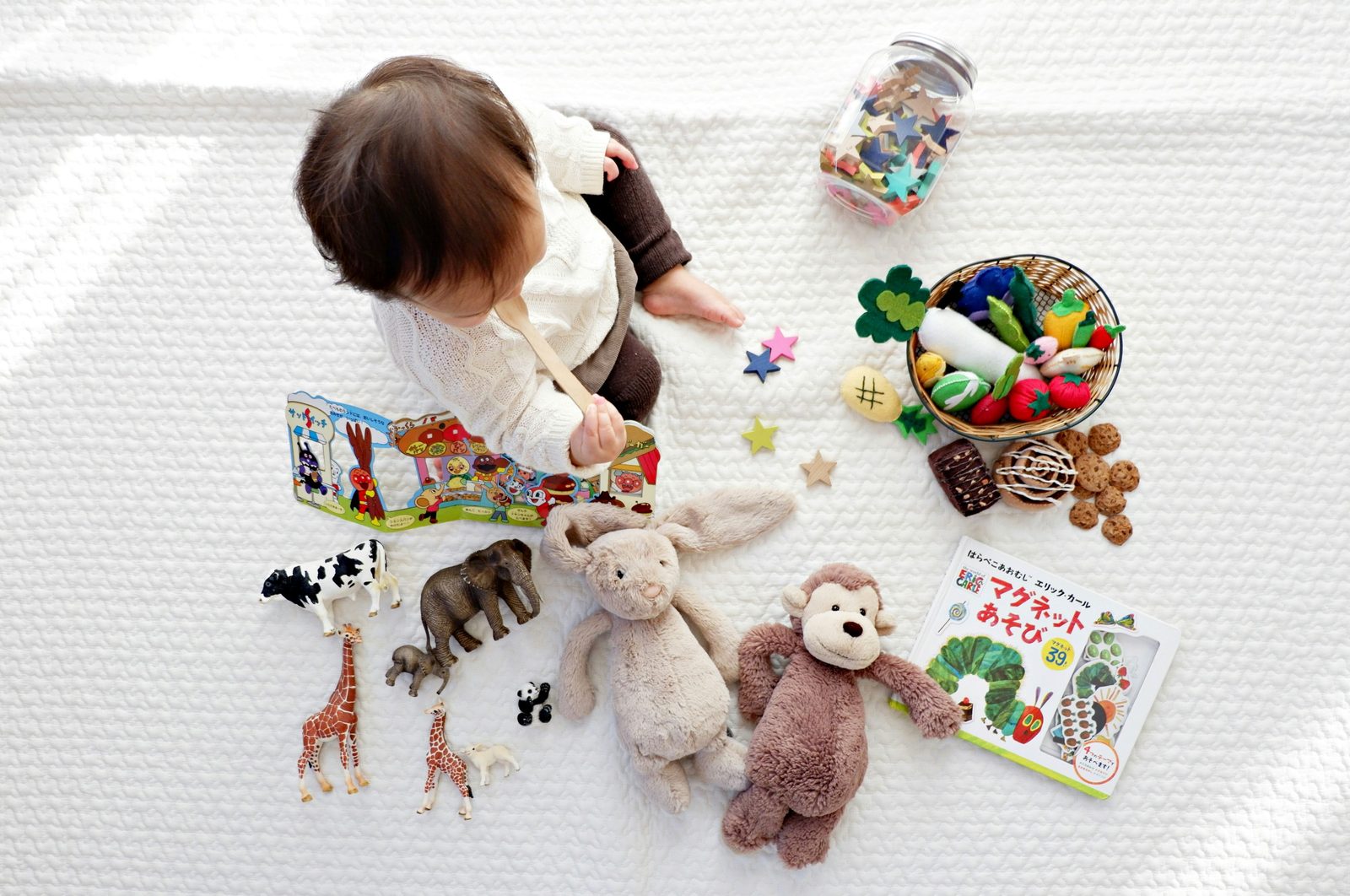
Toys play a critical role in children’s development, offering opportunities for cognitive, motor, and emotional growth. As they engage with toys in their play, kids refine their motor skills and hand-eye coordination while simultaneously absorbing new concepts about the world around them. These experiences also foster cognitive development, improving their attention span, memory, language, and math skills in a fun and captivating manner.
The value of toys in child development extends beyond learning, as they contribute significantly to children’s emotional well-being. By forming strong attachments to their favorite toys, young ones experience healthy bonding; this skill can then be translated to their relationships with people. Moreover, when parents take part in their children’s play, it not only strengthens family bonds but also supports the development of essential life skills such as problem-solving, communication, and creativity.
In conclusion, parents, educators, and caregivers need to recognize the importance of toys in children’s lives. Providing an array of age-appropriate and stimulating toys lays the foundation for a successful, well-rounded upbringing.
Playing With Toys Helps Raise Self-Confident, Creative, and Happy Children
Playing with toys is not only a fun pastime for children, but it also plays a crucial role in their overall development. Engaging with toys helps to build self-confidence as well as foster creativity and happiness in young minds. By interacting with action figures, children discover the world around them and experiment with different skills and abilities. In a supportive and stimulating environment, this can lead to the development of well-rounded and happy individuals who are better equipped to face the challenges of life. As such, the importance of toys should not be underestimated when nurturing the growth and development of children.
Playgrounds and Safe Playing Environments Are Crucial for Reducing Toy-Related Accidents
Playgrounds and safe playing environments are essential for children’s wellbeing, as they greatly contribute to reducing the risk of toy-related accidents. These spaces provide kids with a comfortable and secure area to explore and engage with their toys. As children freely navigate their surroundings, they can learn essential life skills such as problem-solving, communication, and sharing. Healthcare professionals and caregivers alike must acknowledge and promote the importance of maintaining safe and healthy play environments, ensuring a well-rounded childhood experience.
Playing is a Right for Children and Should Be Supported
Playing is not only a fun activity, but it is also an essential aspect of childhood development. It is through play that children learn key skills such as cognitive, motor, emotional, and linguistic abilities. In fact, communities, governments, and adults should support children’s right to play.
To ensure children reap the benefits of play, it is important to provide them with age-appropriate and safe toys. These toys act as tools that aid in the development process, fostering creativity and happiness. In addition, creating safe and comfortable play environments can help reduce the risk of accidents related to toys.
All components of the healthcare system, including pediatricians and family physicians, should take an active role in promoting the importance of play in children’s lives. By supporting children’s right to play, we contribute to their growth into healthy, confident, and well-rounded individuals.
Toys That Spark Creativity and Imagination Can Help Broaden a Child’s Perspective
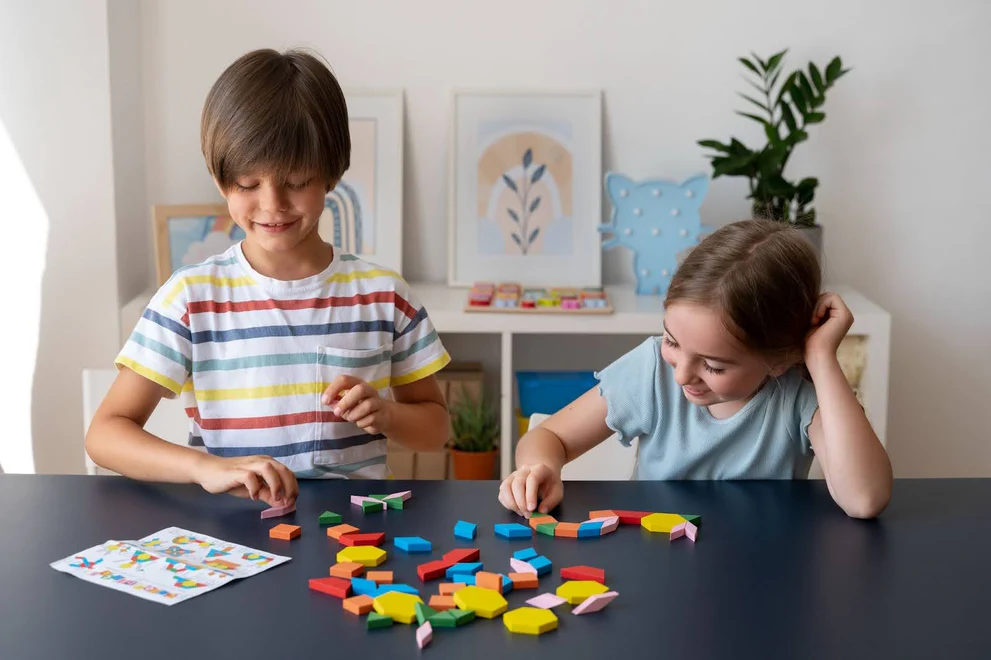
Toys that ignite creativity and imagination play a significant role in a child’s development. With open-ended play options, these toys enable children to think in narratives, allowing them to perceive the world more comprehensively. Furthermore, they help cultivate the crucial skill of creative thinking, which encourages children to explore solutions and possibilities outside conventional boundaries.
When simple items, such as building block toys, dolls, or pretend food, are handed to a child, they see them as opportunities to concoct stories and scenarios in their minds. This type of play serves as their first classroom, helping them grasp larger concepts and develop problem-solving skills, self-expression, and confidence. So, providing toys that spark imagination and creativity is essential to supporting a child’s growth and broadening their perspectives.
Toys Teach Kids About Science, Technology, Engineering, Art, and Mathematics (STEAM)
Toys play a vital role in teaching children about science, technology, engineering, art, and mathematics (STEM). These educational playthings encourage curiosity and creativity while helping kids develop important skills that are crucial in today’s world. From simple building blocks to complex robotic kits, STEM toys expose children to various subjects in a fun and engaging manner. This not only enhances their problem-solving and critical thinking abilities but also contributes to their overall cognitive development. By incorporating STEM toys into playtime, parents can give their children a head start in these essential fields without making learning feel like a chore.
Toys Improve a Child’s Motor Development and Hand-Eye Coordination
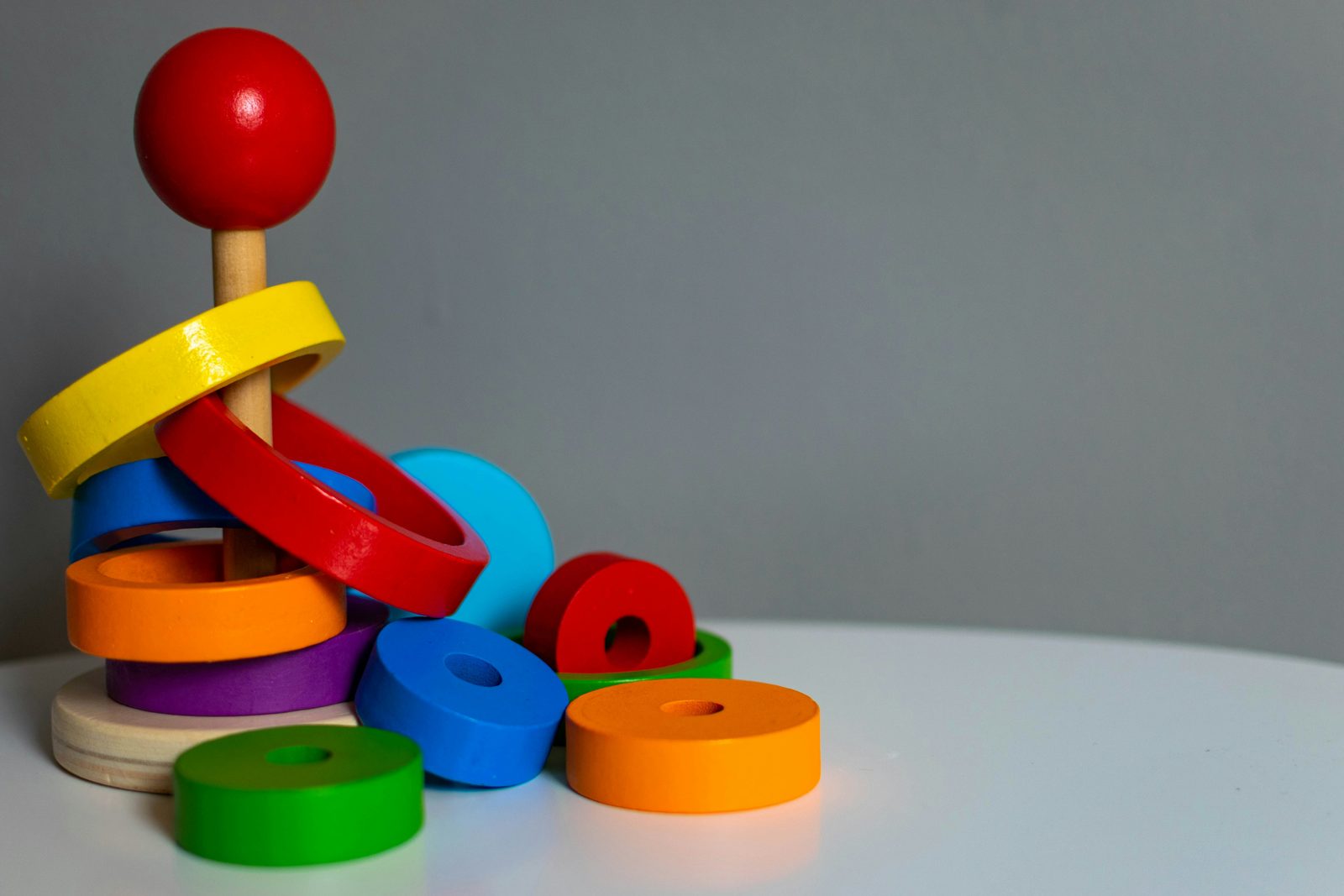
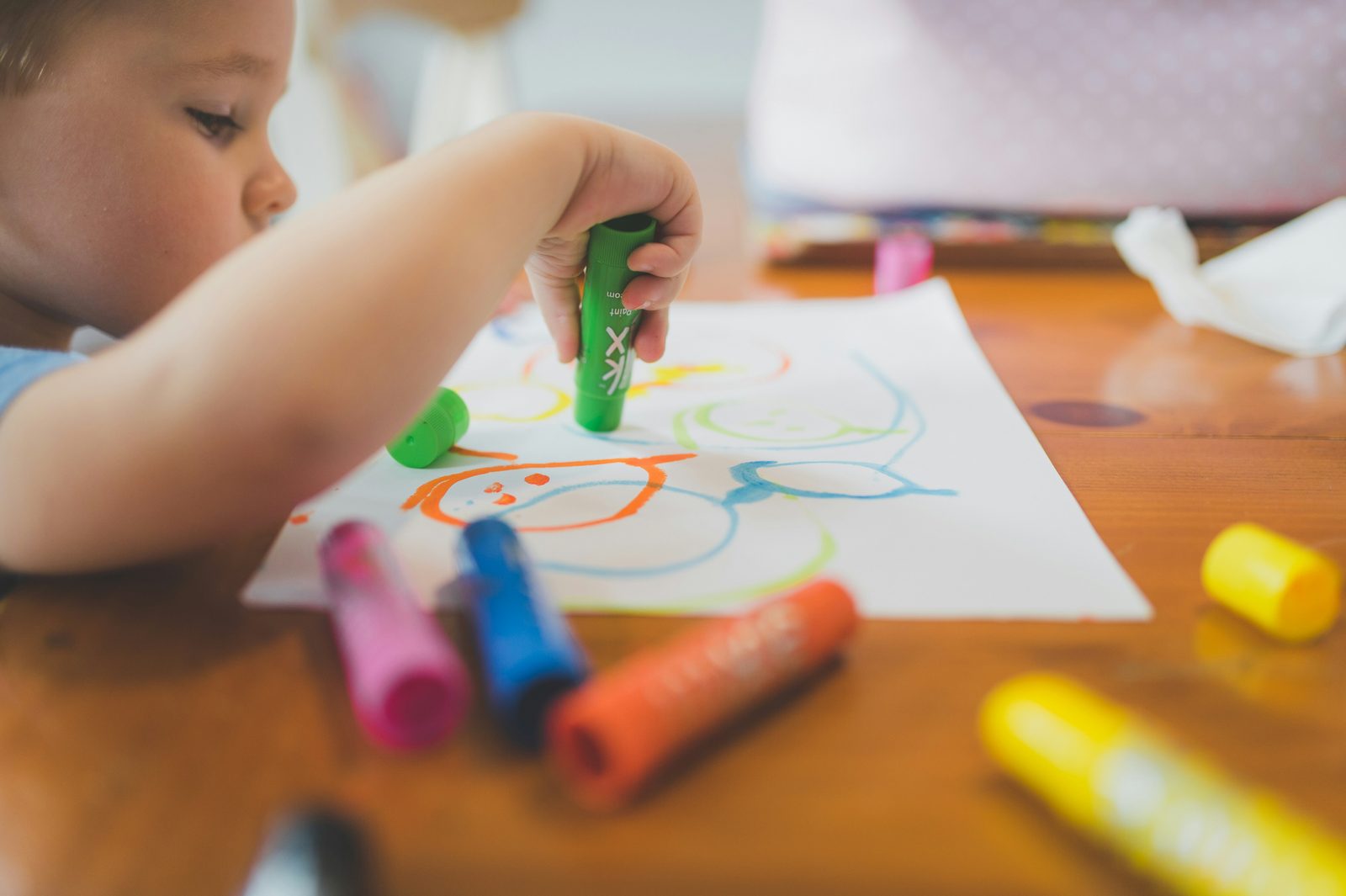
Toys play a crucial role in enhancing a child’s motor development and hand-eye coordination. Engaging with various types of toys enables children to refine their fine motor skills as they manipulate objects, such as grasping, pushing, and pulling. This practice not only strengthens the small muscles in their hands and fingers but also improves their balance and dexterity.
Moreover, toys that demand physical interaction foster a child’s hand-eye coordination. As they navigate puzzles, stack blocks, or control remote toy cars for toddlers, children learn to synchronize their hand movements with visual cues. Ultimately, these play experiences equip them with essential skills, benefiting their overall growth and development.
Pretend Play with Toys Helps Children Develop Consistent and Extensive Narratives
Pretend play supports children’s development, allowing them to engage their imagination and creativity by using toys for storytelling and role-playing. Through this form of expression, children can foster consistent and extensive narratives while understanding the world around them. This imaginative exploration offers cognitive benefits as well, expanding their thought processes and enabling them to think outside the box. As children incorporate various toys such as dolls, animal figures, and miniature vehicles into their scenarios, they develop important skills that translate into their everyday lives, showcasing the significance of toys in shaping a child’s developmental journey.
Toys Can Be Used as Symbols to Help Children Grasp Bigger Concepts
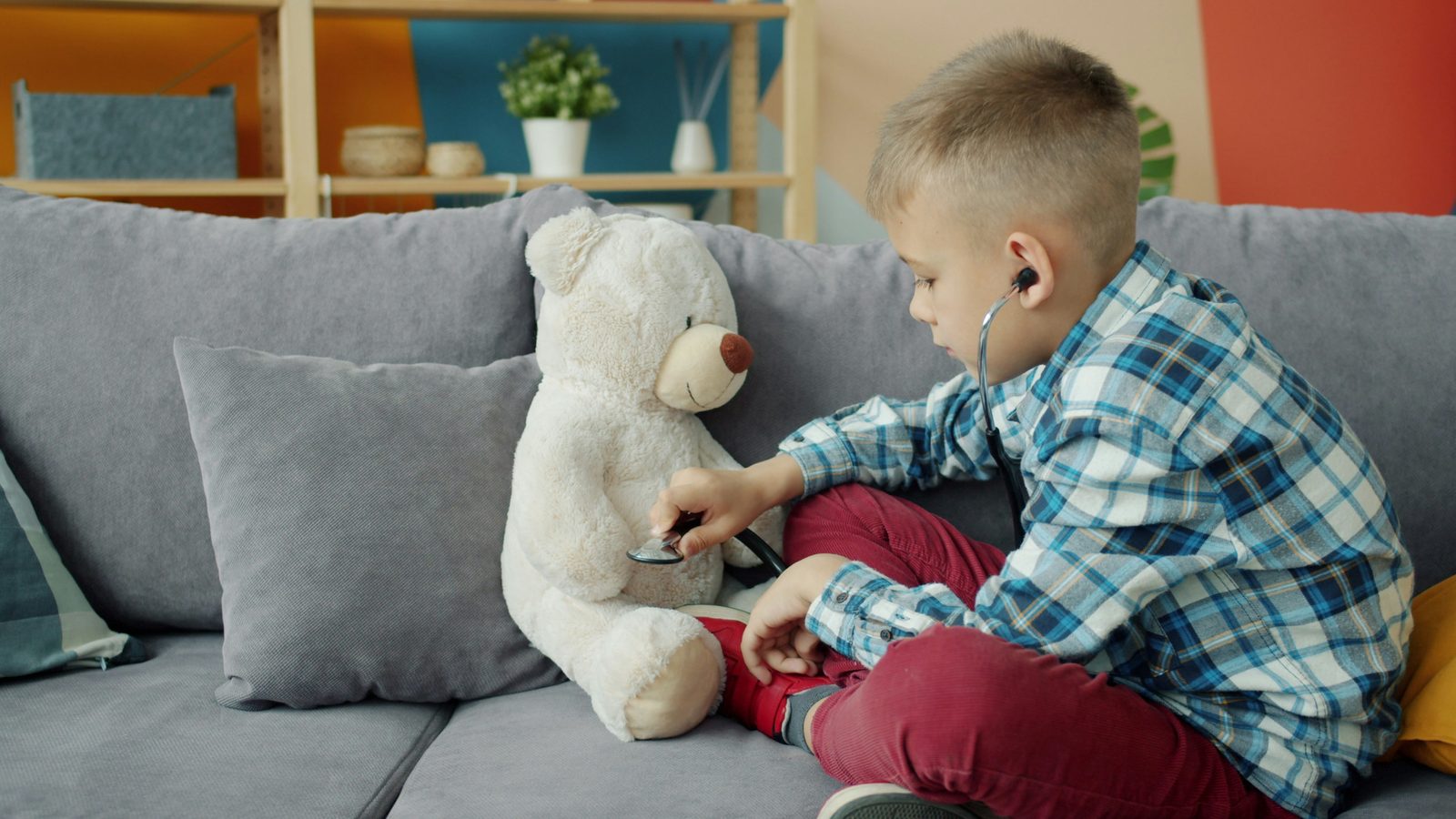
Toys play a significant role in helping children grasp bigger concepts, as they often serve as symbols for other things. This allows children to explore their imagination and creativity in a multitude of ways. For instance, open-ended toys provide the opportunity for kids to think in narratives, broadening their understanding of the world around them. Furthermore, they contribute to the early development of kids‘ cognitive, motor, psychosocial, emotional, and linguistic skills. Overall, toys present a crucial avenue for supporting healthy growth and learning for children.
Children’s Play Is Their First Classroom, and Toys Play a Key Role in Their Learning and Development
Toys have a significant impact on children’s growth, serving as tools for entertaining and educating them while they explore the world around them. Children’s play is their first classroom, where they use these toys to develop symbolic understanding, express emotions, and learn about essential concepts. Open-ended toys, in particular, can spark creativity and imagination, allowing children to think beyond traditional boundaries.
In addition, toys help children master STEAM (Science, Technology, Engineering, Art, and Mathematics) subjects as they absorb information from their environment. Motor skills and hand-eye coordination also improve as children manipulate different toys, further highlighting the importance of toys in their overall development.