Sensory Toys for Autistic Children: The Best Toys for Autism
Finding the right toys for autistic children can greatly enhance their development and provide comfort. Sensory toys designed for autism are not only engaging but also cater to the unique sensory needs of children with autism spectrum disorders. This article explores the best toys available, how they help children with autism, and tips for selecting the most suitable options for your autistic child.
The Best Toys for Autistic Children
Top Sensory Toys for Autistic Kids
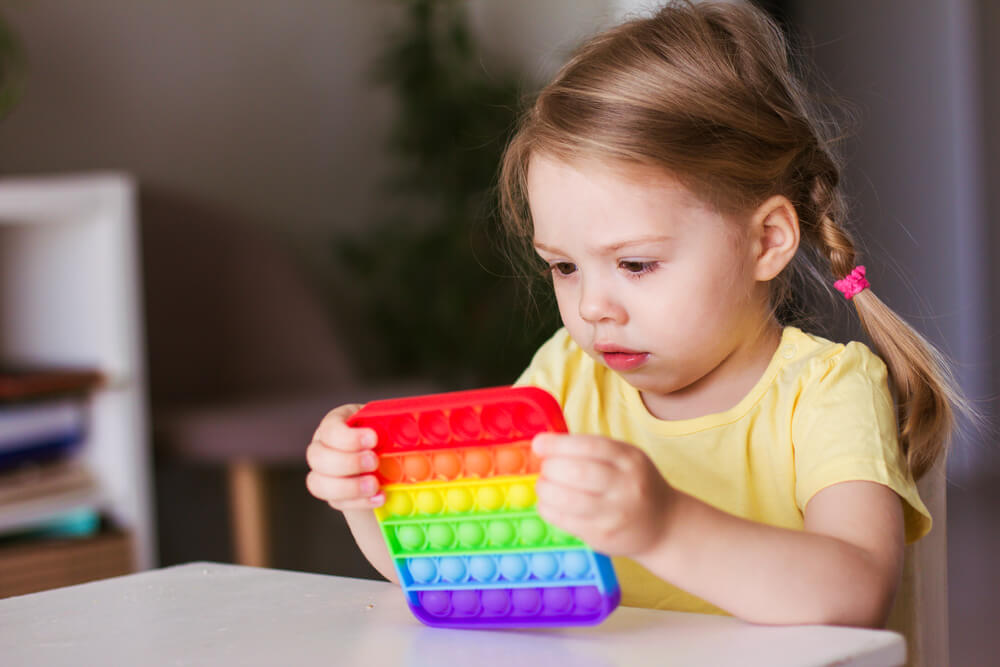
When it comes to selecting the best toys for autistic children, sensory toys are often at the top of the list. These toys are specifically designed to stimulate the senses and encourage exploration, catering to the unique interests and needs of children. Fidget toys, for example, are popular among kids with autism as they provide sensory input that can help calm and focus their minds. Other effective sensory toys for autistic kids include textured balls, squishy toys, and vibrating devices that can engage their tactile senses. Additionally, toys that incorporate sound and light can also be beneficial, offering multisensory experiences that cater to various preferences and help manage stress and anxiety.
Choosing a Toy for Autism: Key Considerations
When choosing a toy for autism, it is essential to consider the individual sensory needs of the child. Some children with autism may seek out sensory input, while others might be more sensitive to it. Therefore, selecting toys that promote sensory play while accommodating their preferences is crucial. Consideration should also be given to the child’s developmental stage; for instance, toddlers may benefit from toys that promote fine motor skills, whereas older autistic kids might enjoy complex puzzles or building sets that encourage cognitive skills. Ultimately, the best toys for autistic children are those that align with their interests and developmental needs.
Popular Gifts for Autistic Children
When searching for gifts for autistic children, sensory toys often emerge as a favorite choice among parents and caregivers. Popular gifts include weighted blankets, which provide calming pressure that can help reduce anxiety, and sensory bins filled with various textures and materials to explore. Other options may include interactive games that promote social skills and cooperative play, such as board games designed for children with autism. Ultimately, the best gifts for autistic children are those that not only entertain but also support their sensory and developmental needs.
How Do Sensory Toys Help Children with Autism?
Understanding Sensory Processing in Autistic Kids
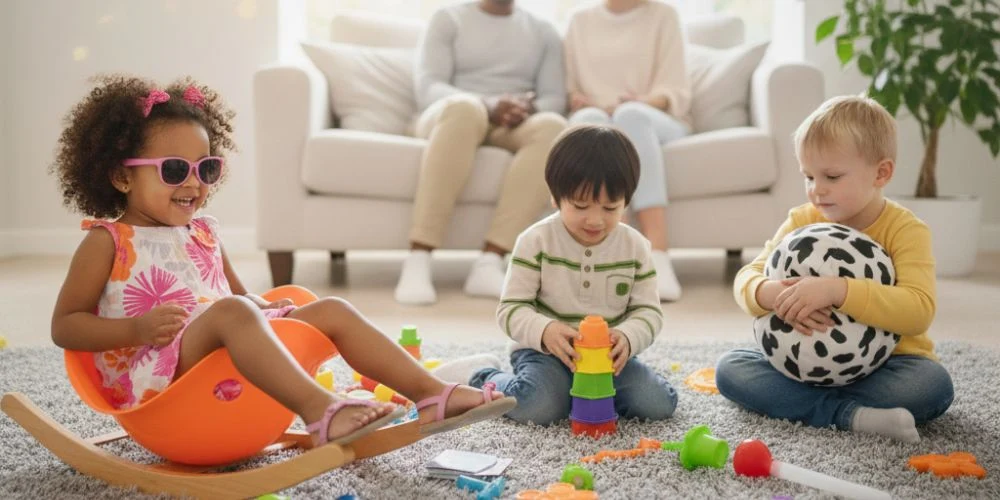
To understand how sensory toys help children with autism, it is essential to grasp the concept of sensory integration. Many autistic kids experience sensory processing differences, which can manifest as either sensory seeking or sensory aversion. Sensory toys can assist in bridging this gap by providing appropriate sensory input that helps kids with autism regulate their responses to sensory stimuli. By interacting with these toys, children learn to manage their sensory needs, leading to improved focus, decreased anxiety, and enhanced engagement in various activities.
Benefits of Sensory Play for Motor Skills Development
Sensory play is a vital component of skill development for children with autism. Engaging with sensory toys can significantly enhance fine motor skills, as many toys require grasping, squeezing, or manipulating. For example, toys that encourage stacking or building can improve hand-eye coordination and dexterity. Moreover, sensory activities can also help develop gross motor skills, as children may engage in movement through crawling, jumping, or climbing while interacting with larger sensory toys. Ultimately, incorporating sensory play into daily routines can foster essential motor skills that benefit children with autism.
Calming Effects of Fidget Toys for Anxiety Relief
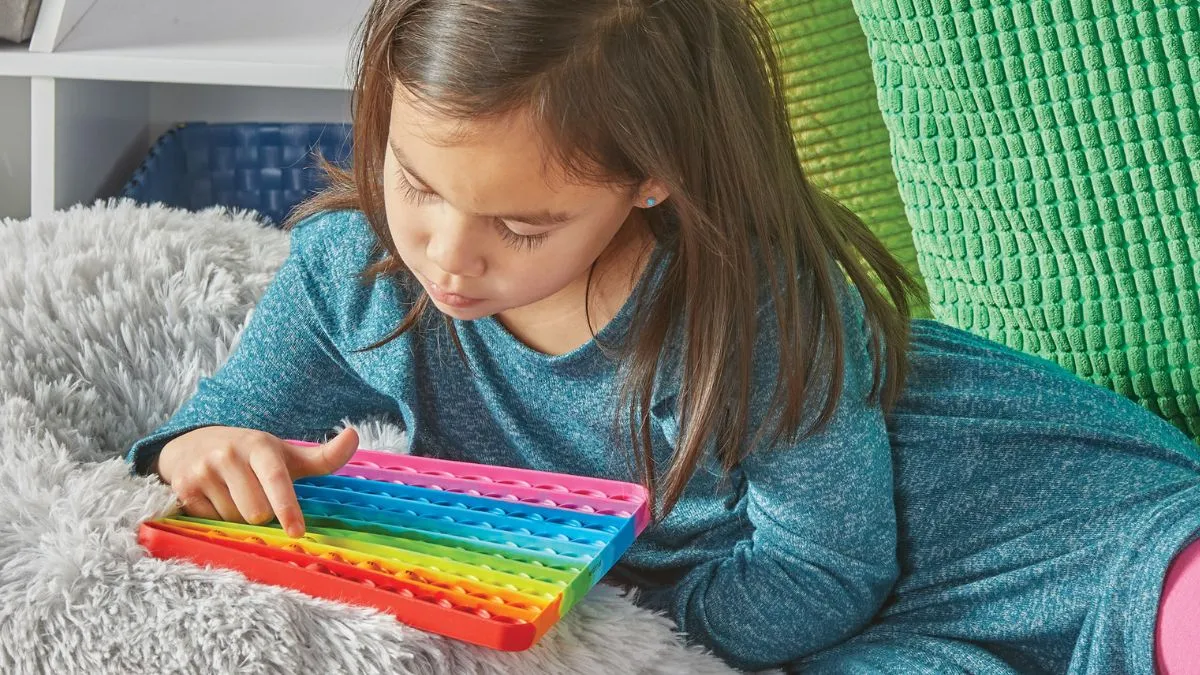
Fidget toys are particularly effective for helping autistic children manage anxiety. These small, handheld toys provide a discrete outlet for excess energy and can promote a sense of calm, helping manage stress and anxiety. By engaging with fidget toys, children can redirect their focus and reduce feelings of overwhelm. The repetitive motions involved in using fidget toys can be soothing, allowing kids with autism to regain control during stressful situations. As such, incorporating fidget toys into a child’s daily routine can serve as an invaluable tool for emotional regulation and anxiety relief.
Gift Ideas That Are Best for Toddlers with Autism
Age-Appropriate Toys for Autistic Toddlers
When selecting gift ideas for toddlers with autism, it is crucial to focus on age-appropriate toys that cater to their developmental stage. Toys that promote sensory exploration, such as soft blocks, textured balls, and musical instruments, can engage toddlers and support their learning. Additionally, toys with bright colors and varying textures can capture their attention and stimulate their senses, fostering curiosity and engagement. Ultimately, choosing toys that align with the child’s interests and developmental needs will create a positive and enriching play experience.
Engaging Tactile Activities for Young Children
Engaging tactile activities are essential for young children with autism, as they help develop sensory processing skills. Activities such as playdough modeling, sand play, or water play not only offer sensory stimulation but also encourage creativity and exploration. Sensory bins filled with various materials, such as rice, beans, or fabric, can provide endless opportunities for tactile engagement. These activities promote fine motor skills, enhance cognitive development, and support social skills through cooperative play, making them ideal for toddlers with autism.
Best Gifts for Promoting Social Skills
Promoting social skills is an essential aspect of development for children with autism. Gifts that encourage cooperative play, such as board games and interactive toys, can help autistic toddlers learn to engage with peers in a meaningful way. Additionally, role-playing toys, like dolls or action figures, can facilitate imaginative play and social interaction. By choosing gifts that foster collaboration and communication, parents can support their toddlers in developing vital social skills that will benefit them throughout their lives.
Choosing Sensory Toys for Autistic Children
Identifying the Right Type of Sensory Toy
Identifying the right type of sensory toy for an autistic child requires careful consideration of their sensory preferences and needs. Some children may respond positively to tactile experiences, while others may prefer auditory or visual stimulation. Parents should observe their child’s reactions to various sensory inputs and select toys that align with their preferences. For instance, if a child enjoys tactile activities, they may benefit from squishy toys or textured balls, while those drawn to auditory stimuli might enjoy musical instruments or sound-producing toys.
Assessing the Needs of Your Autistic Child
Assessing the unique needs of your autistic child is crucial when selecting sensory toys. Each child with autism spectrum disorder is different, and their sensory needs can vary widely. Engaging with occupational therapists or educators can provide insight into your child’s sensory profile, helping you choose toys that will best support their development. Additionally, considering the child’s developmental milestones and interests can guide your selection process, ensuring that the chosen toys are engaging and beneficial for their growth.
Evaluating Safety and Durability in Toys
When selecting sensory toys for autistic children, evaluating safety and durability is paramount. Many children with autism exhibit strong sensory-seeking behaviors, which can lead to rough play. Therefore, it is crucial to choose toys made from non-toxic materials that can withstand rigorous use. Additionally, ensuring that toys are free from small parts that could pose choking hazards is essential for the safety of young children. By prioritizing safety and durability, parents can provide children with the freedom to explore and engage with their sensory toys confidently.
The Best Sensory Activity Boards for Autistic Kids
Features to Look for in Sensory Activity Boards
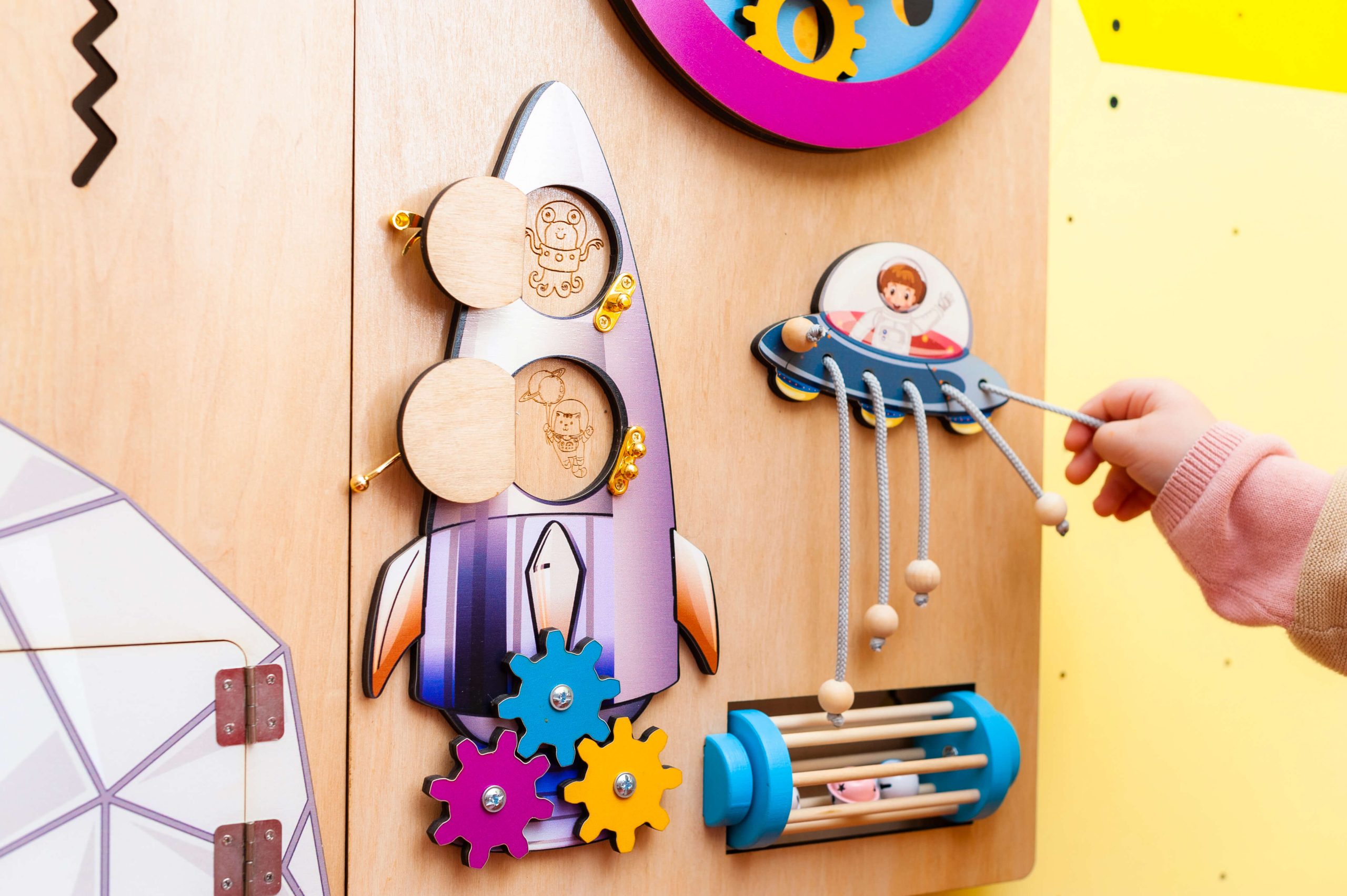
Prioritize certain features when searching for the best sensory activity boards for autistic kids. Look for boards that offer various textures, colors, and interactive elements to engage multiple senses. Boards with buttons, zippers, and clasps can provide opportunities for fine motor skill development as children manipulate different components, making them great toys for children. Additionally, boards that are lightweight and portable can allow for on-the-go sensory play, making them versatile options for various environments and great gifts for kids.
How Sensory Boards Promote Fine Motor Skills
Sensory boards play a vital role in promoting fine motor skills among autistic kids. By engaging with different elements on a sensory board, children can practice grasping, pinching, and manipulating objects, leading to improved dexterity and coordination. For instance, boards featuring buttons and latches require children to use their fingers in precise ways, enhancing their fine motor capabilities, which is great for kids with unique interests and needs. Additionally, the hands-on nature of sensory boards encourages active participation, making learning enjoyable and effective for children with autism.
Fun Ways to Incorporate Vestibular Sensory Play
Incorporating vestibular sensory play into activities with sensory boards can provide a well-rounded sensory experience for autistic kids, making it a great toy for autistic children. Engaging in activities that involve swinging, spinning, or rocking can enhance balance and coordination, which are crucial aspects of physical development. Parents can create opportunities for vestibular play by incorporating movement into sensory board activities, such as encouraging children to spin while interacting with a board or using it as a stable surface while they balance on a wobble board. These fun, dynamic experiences enhance sensory processing and promote overall gross motor skills essential for children with autism.
Frequently Asked Questions
Q: What are sensory toys for autistic children?
A: Sensory toys for autistic children are specially designed to stimulate the senses and help manage sensory issues. They often include different textures, sounds, and movements, making them great toys for kids on the spectrum.
Q: How can toys and gifts for autistic children help with stress and anxiety?
A: Toys and gifts for autistic children, such as calming toys and deep pressure items, can provide comfort and relaxation. These toys can help reduce stress and anxiety by offering a safe and enjoyable outlet for sensory exploration.
Q: What types of autism toys are best for language development?
A: Autism toys that encourage interactive play, such as games and toys that involve communication, can be beneficial for language development. These toys often promote social interactions and help children express themselves better.
Q: Are there specific toys for kids with autism that are suitable for travel?
A: Yes, there are many travel toys specifically designed for kids with autism. These often include compact and engaging items that can keep children entertained while on the go, such as water toys or putty.
Q: What should I consider when selecting toys and gifts for autistic children?
A: When selecting toys and gifts for autistic children, consider their unique interests and sensory preferences. Look for a selection of toys that offer different textures and sensory experiences to engage them effectively.
Q: Can older autistic children enjoy the same types of toys as younger ones?
A: Yes, older autistic children may enjoy a variety of toys that are suitable for their developmental level. It’s important to choose engaging and challenging items that match their interests, such as games and toys that stimulate critical thinking.
Q: What are some great sensory toys for autism that can help with calming?
A: Great sensory toys for autism that can help with calming include weighted blankets, fidget spinners, and stress balls. These toys provide deep pressure and tactile stimulation, which can be soothing for children experiencing sensory overload.
Q: How do different textures in toys benefit autistic children?
A: Different textures in toys can benefit autistic children by providing varied sensory input. This can help them explore their environment, improve fine motor skills, and engage in sensory play, which is essential for their development.
Q: Are there any specific gifts for kids on the spectrum that promote social skills?
A: Yes, gifts for kids on the spectrum that promote social skills often include cooperative games that require teamwork and communication, making them great for autism parenting. These can help children practice social interactions in a fun and engaging way.