Master Safe Sanitation Methods, Disinfect Play Surfaces, and Keep Toddler Toys Hygienic with Parent-Approved Cleaning Techniques
As parents, we all know that our little angels have an unmatched ability to turn any neat space into a miniature disaster zone in the blink of an eye. Add in sticky hands, spill-prone snack times, and the occasional diaper mishap, and you’ve got yourself a germ party that doesn’t want to end! If you’ve been looking for ways to keep your toddler’s favorite toys, games, and gadgets clean and disinfected, search no more! We’ve put together a comprehensive guide on exactly how to do just that, ensuring your child can have all the fun while you enjoy peace of mind knowing they’re playing with germ-free toys. So let’s roll up our sleeves and dive into this essential parent’s guide to cleaning and disinfecting toddler toys!
Keeping Your Children Healthy Through Toy Sanitation
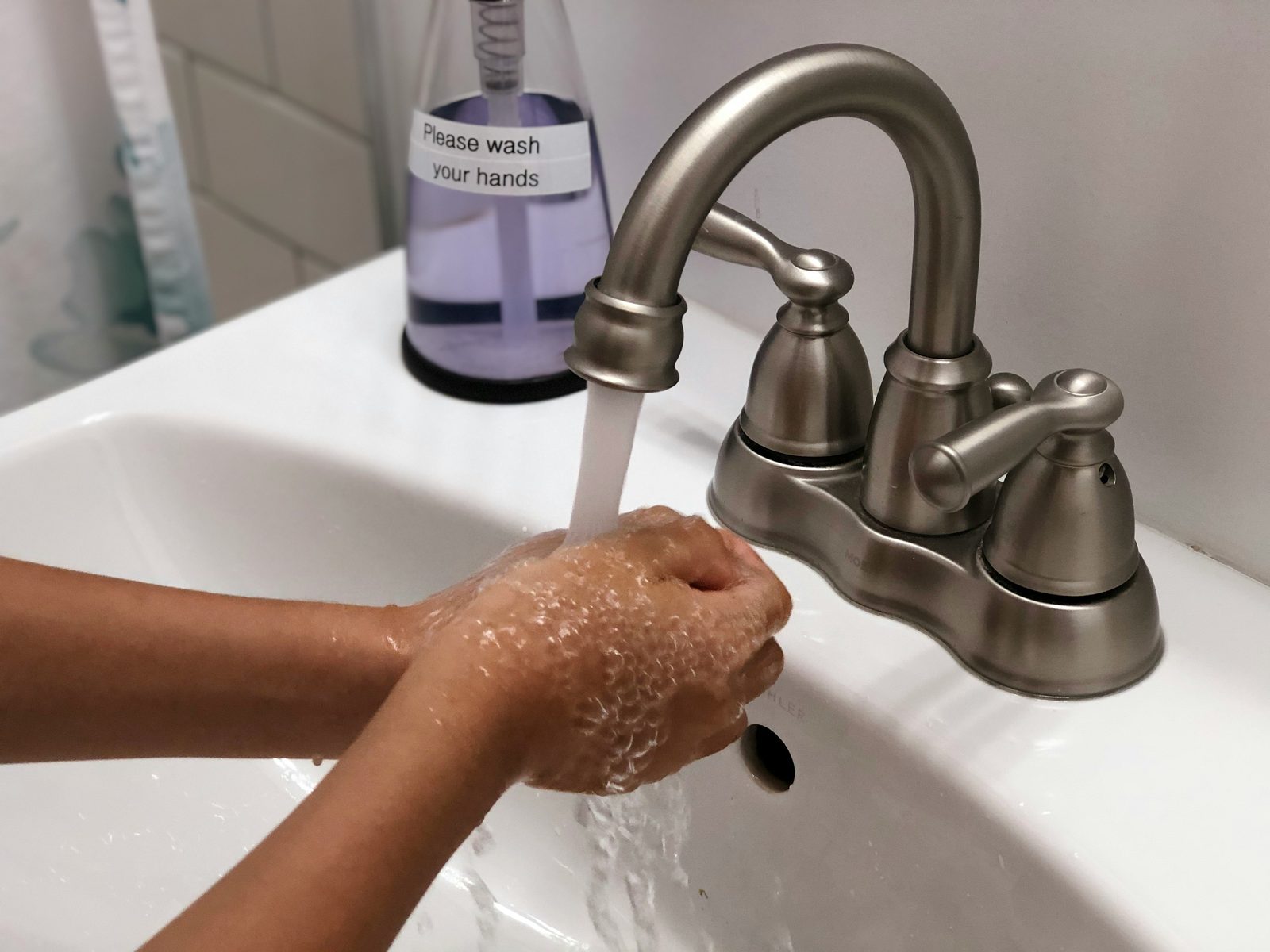
Keeping your children healthy is a top priority for parents, and one way to ensure their well-being is through proper toy sanitation. Childcare settings can be breeding grounds for germs, as children touch and chew on toys, facilitating the spread of harmful pathogens. To maintain a healthy environment, it is essential to establish, follow, and enforce a thorough cleaning and sanitation policy for all toys in your home or childcare facility. This not only protects your children but also promotes a safe, germ-free space for everyone to enjoy.
The Importance of Cleaning and Disinfecting Toys
Cleaning and disinfecting your children’s toys is essential for maintaining a safe and healthy environment. By taking the time to regularly clean and sanitize their playthings, you not only help to prevent the spread of germs, bacteria, and viruses but also contribute to your child’s overall well-being. In doing so, you foster a space where they can safely explore, learn, and develop important life skills. Furthermore, adopting good hygiene practices instills in them a valuable habit that can serve them well into adulthood.
Understanding the Risks of Germs and Bacteria on Toys
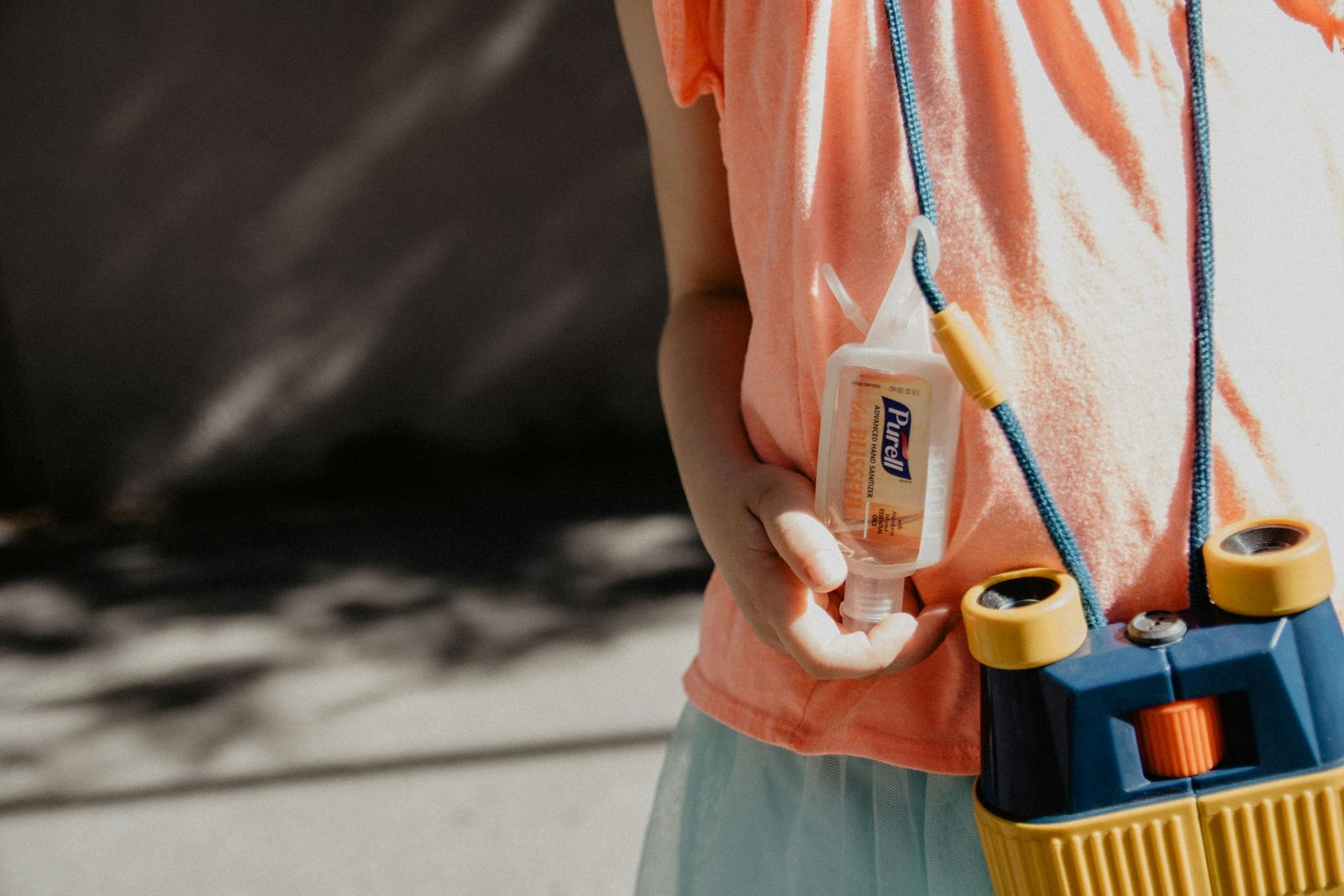
Parents need to be aware of the risks associated with germs and bacteria on their children’s toys. These microorganisms can easily spread from one child to another, potentially leading to various illnesses. With kids constantly touching and putting toys in their mouths, parents need to maintain a clean environment, particularly for playtime. Regular cleaning and disinfecting can help reduce the spread of harmful bacteria and ensure a safer playtime experience for toddlers. Remember, keeping their beloved toys germ-free is vital for protecting their health and well-being.
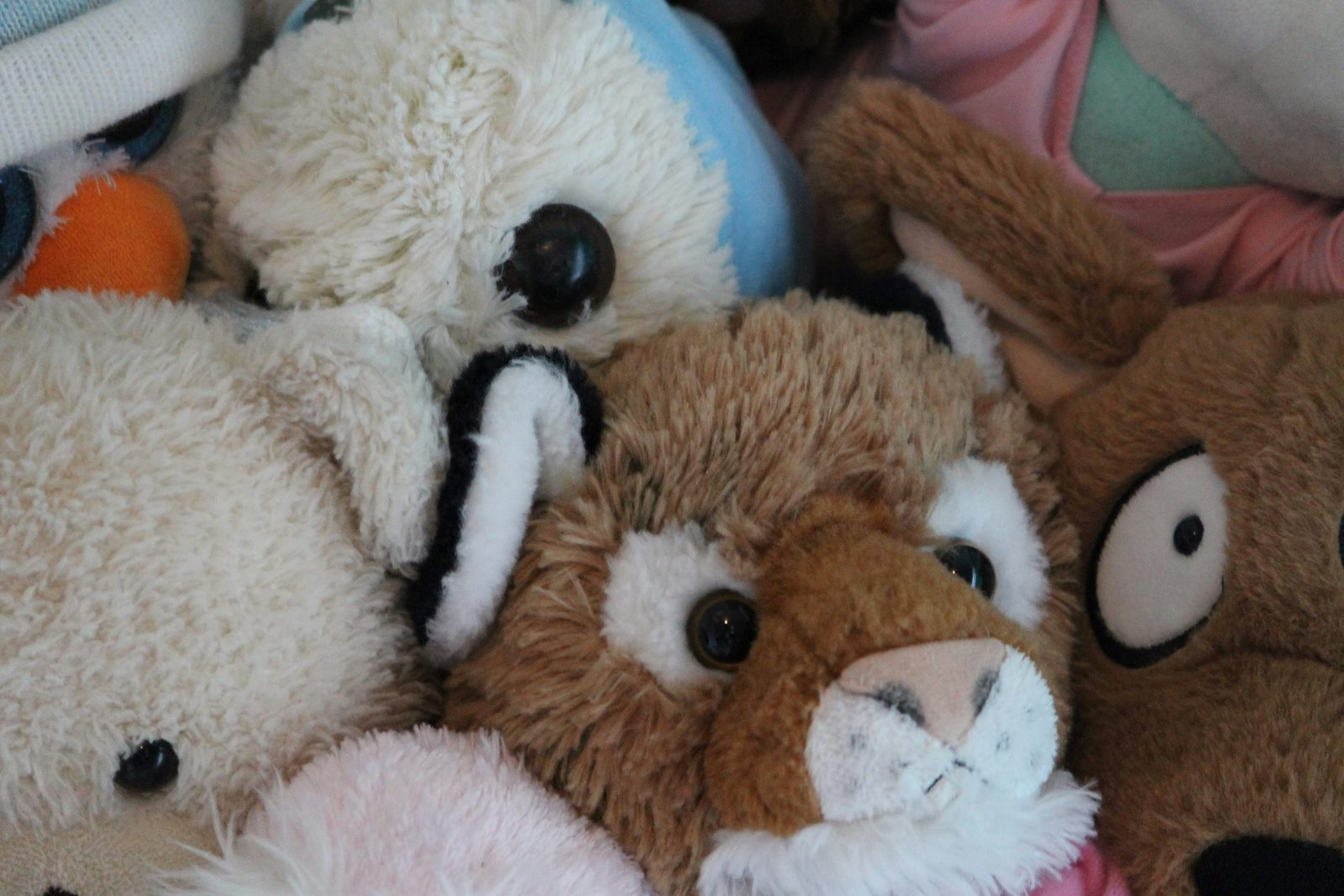
How to Clean Stuffed Toys
Keeping stuffed toys clean is essential for maintaining a healthy environment for your toddler. To clean these toys, first check the label for recommended cleaning methods. If the toy is machine washable, use a gentle detergent formulated for babies and follow the drying instructions. For those that must be hand-washed, use mild soap and water, then let them air dry in the sun. Regular cleaning ensures your child’s beloved stuffed toys remain germ-free and safe to play with.
Cleaning Bath Toys and Preventing Mold and Bacteria
Cleaning your kids’ bath toys is essential to ensure your little ones stay safe and healthy while playing during bath time. These toys are constantly exposed to water, making them a prime breeding ground for mold, bacteria, and other germs. Hence, it’s important to establish a regular cleaning routine for bath toys using gentle, non-toxic methods like vinegar mixtures, boiling water, or running them through the dishwasher. Moreover, be sure to dry the toys properly after each use to prevent mold, bacteria, and biofilm growth.
Method for Cleaning Plastic Toys
Keeping plastic toys clean and free of germs is important for your child’s health and safety. One effective method for cleaning plastic toys is to use warm, soapy water to scrub off dirt and grime. After rinsing thoroughly, you can use a mild disinfecting solution, such as a mixture of equal parts water and white vinegar, to sanitize the toys. Remember to remove any batteries before cleaning toys that have battery compartments. Lastly, let the toys air dry completely before giving them back to your child for playtime.
Cleaning Soft Silicone Toys
Soft silicone toys are a favorite among toddlers thanks to their flexibility and durability. To clean these toys, begin by rinsing them under warm water to remove any visible dirt or grime. Next, use a gentle, fragrance-free dish soap to wash the toys, scrubbing any textured surfaces with a soft brush. Rinse thoroughly to ensure no soap residue is left behind.
To disinfect the soft silicone toys, mix one part white vinegar with two parts water in a spray bottle. Spray the solution onto the toys, allowing them to soak for about 10 minutes before wiping them dry with a clean cloth or air-drying. This process should be done regularly, especially if the toys are frequently chewed or played with.
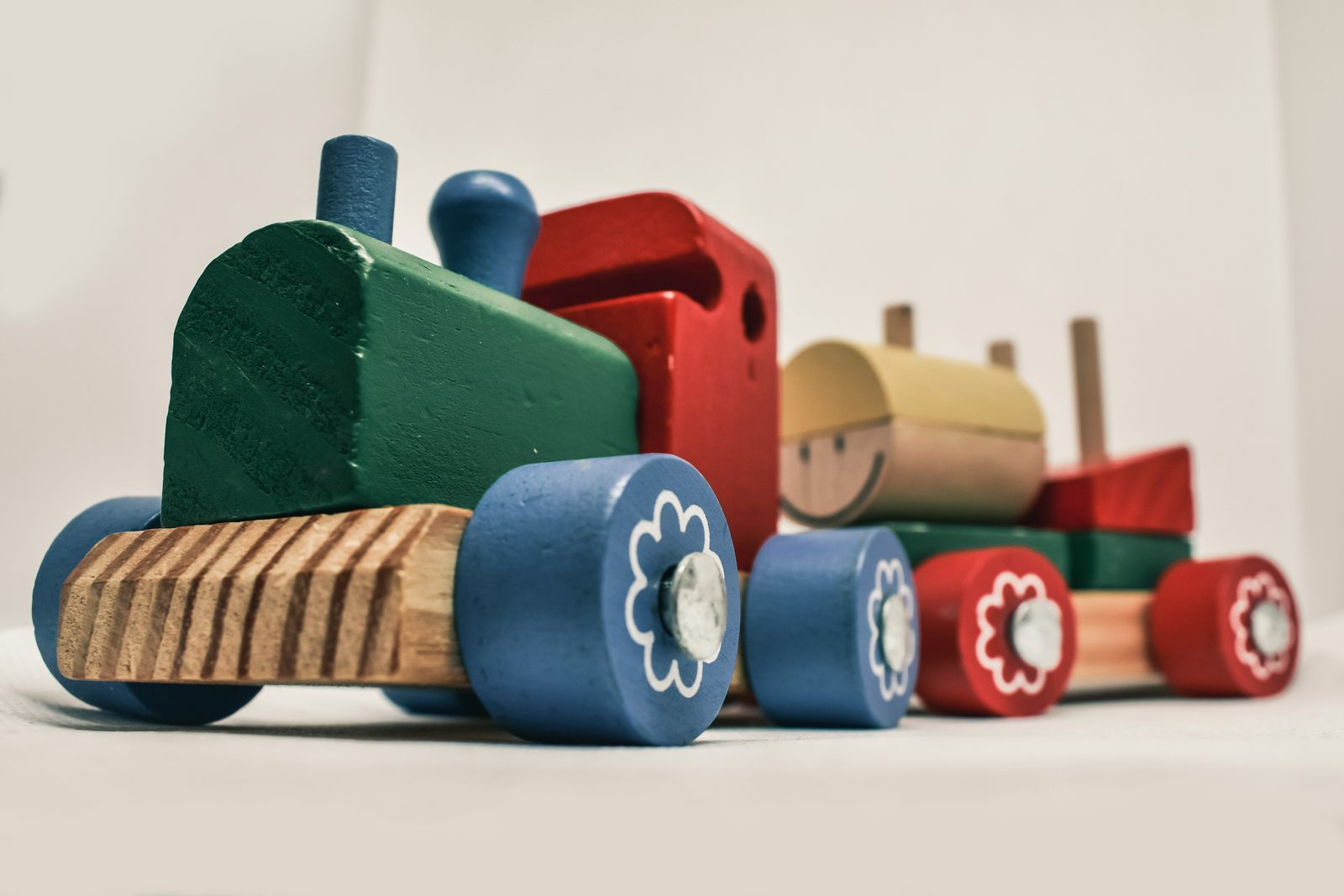
Care and Cleaning of Wooden Toys
Caring for wooden toys is a simple process, thanks to their natural antimicrobial properties. These toys don’t require frequent cleaning, as harmful bacteria and viruses don’t accumulate on them like they do on plastic toys. However, if the wooden toys have been exposed to illness or dirt, use gentle soaps or vinegar diluted with water in a 1:4 ratio for cleaning. Remember to avoid soaking wooden toys as it can damage the wood. Instead, spray the cleaning solution and wipe with a cloth, allowing them to air-dry afterwards.
How Often Should You Clean Your Child’s Toys?
It is important for parents to regularly clean their children’s toys to maintain a healthy environment. A general rule of thumb is to give toys a good cleaning once a month, while heavily used toys may require cleaning as often as every week. However, it is crucial to disinfect toys whenever a child or their playmate has been sick, when the toys have come in contact with mucus, vomit, food, or milk, or if an illness has been spreading at the child’s school or daycare. By developing a consistent cleaning routine, parents can help prevent the spread of germs and keep their children safe and healthy.
The Difference Between Cleaning and Disinfecting Toys
Keeping your children’s toys clean and germ-free is essential for their health and well-being. Understanding the difference between cleaning and disinfecting toys plays a significant role in maintaining a hygienic play environment. Cleaning involves using soap and water to remove dirt, grime, and superficial contaminants from the toys’ surface. While this process helps remove visible dirt, it does not necessarily kill germs.
On the other hand, disinfecting involves using specialized solutions or wipes to actively kill germs and bacteria on the toy’s surface. Combining both cleaning and disinfecting methods will ensure your toddler’s toys remain organized and as germ-free as possible, reducing the chances of illness and infections.